Marble Stone
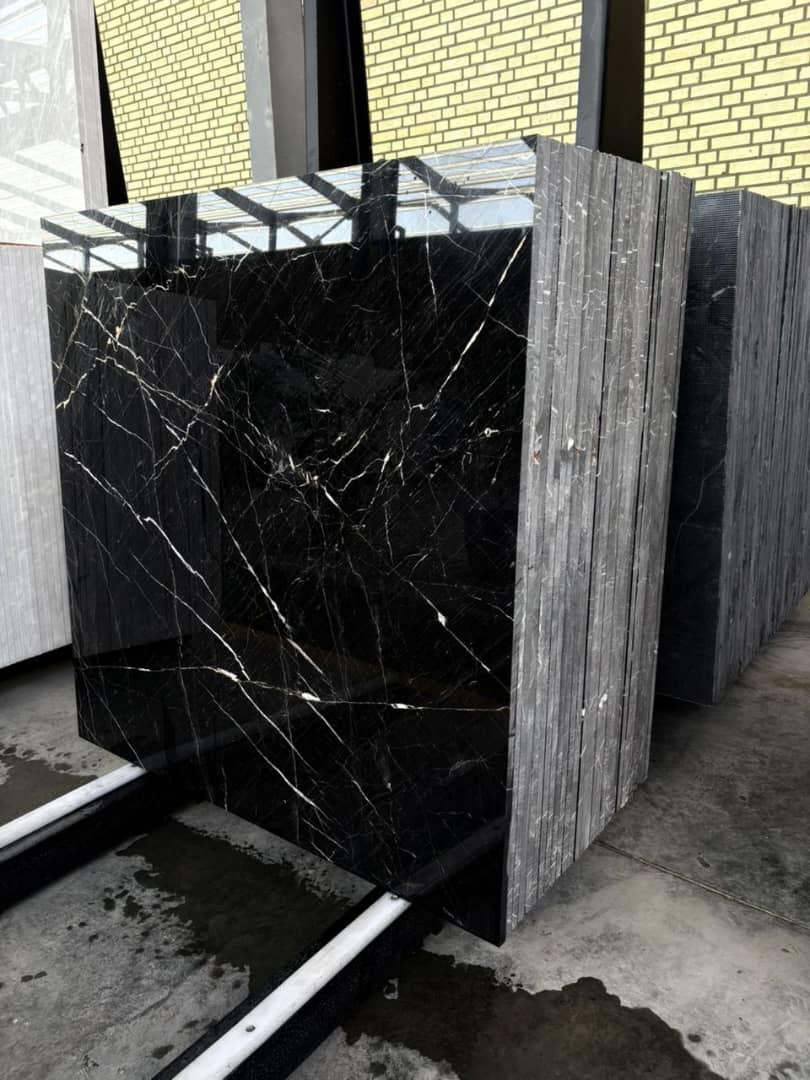
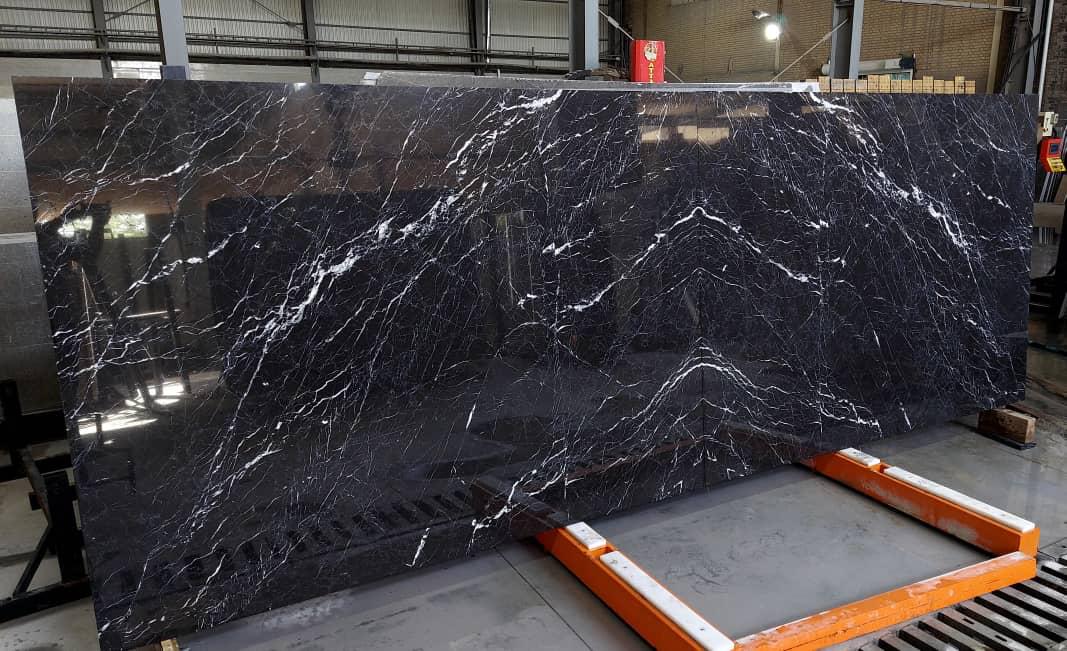
Marble is one of the most well-known and popular building stones, widely used in construction projects as well as interior and exterior design due to its natural beauty and unique characteristics. Marble is a type of limestone that gradually transforms into marble under various geological processes.
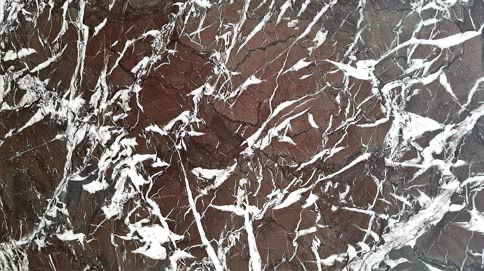
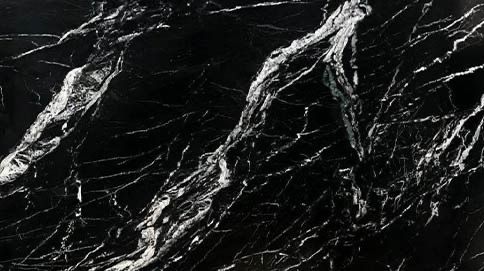
Marble is composed of minerals such as calcite, dolomite, and other materials like silica, hematite, and limonite. Each of these minerals contributes to the different colors and patterns found in marble. The primary color of marble is white, but the presence of various impurities results in a wide range of colors, including cream, gray, black, red, pink, and even green.
⸻
Advantages of Using Marble in Interior Design
Using marble in interior design offers many benefits due to its unique properties. One of the most important advantages is its wide variety of colors and patterns. This diversity allows architects and interior designers to choose the perfect marble for any décor style. Additionally, the smooth and glossy surface of marble enhances the elegance and beauty of interior spaces.
Another key feature of marble is its ability to reflect light. This quality makes marble—especially lighter colors like white or cream—ideal for small or dimly lit areas, as it helps make spaces appear brighter and larger. For example, in small rooms or narrow hallways, marble can create a more open and spacious feel.
In addition to its beauty, marble is also highly durable and resistant to impact and pressure, making it suitable for high-traffic areas such as lobbies and staircases. It also has good resistance to stains and water due to its low porosity, which makes it a reliable choice for kitchens and bathrooms.
Thanks to its variety of colors and patterns, marble is one of the top choices among architects and designers, especially for stylish and modern spaces. Its polished and glossy finish makes it ideal for interior applications such as flooring, wall cladding, tabletops, and fireplaces.
⸻
Features of Marble Stone
• Resistant to heat and cold
• Strong adhesion with mortar
• Easy to cut and shape
• Excellent polishability
• Wide variety of patterns and colors
• Slight color fading under direct sunlight
⸻
Standard Requirements for Marble (According to ASTM)
•Water absorption rate: Maximum 0.2%
•Specific gravity: 2.305 to 2.8 g/cm³
•Compressive strength: Minimum 520 kg/cm²
•Tensile strength: Minimum 70 kg/cm²
•Abrasion resistance: 10
⸻
How to Choose the Right Marble for Your Project
Choosing the right marble for construction projects involves considering several important factors. The first step is selecting the type of marble based on the intended application and project requirements. For example, if the marble will be used as flooring in high-traffic areas such as lobbies or corridors, you should choose a stone with high resistance to impact and pressure.
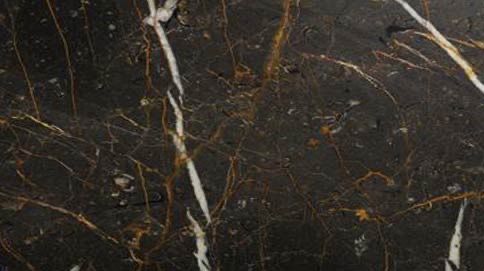
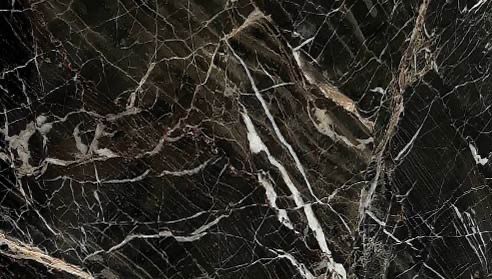
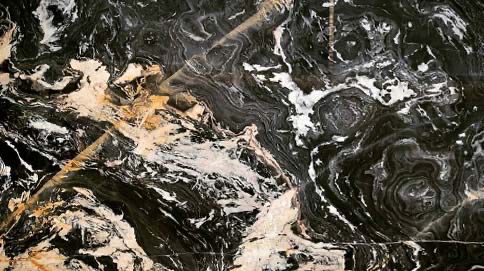
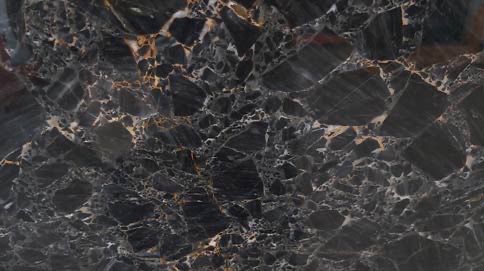
Color and pattern are also important. Light-colored marble is more suitable for small or dim spaces, as it makes the area appear brighter and more spacious. In contrast, darker marble is ideal for large or luxurious spaces because it adds richness and elegance.
The quality of cutting and finishing is another critical factor. Marble that is precisely cut and well-polished looks more refined and has greater durability.
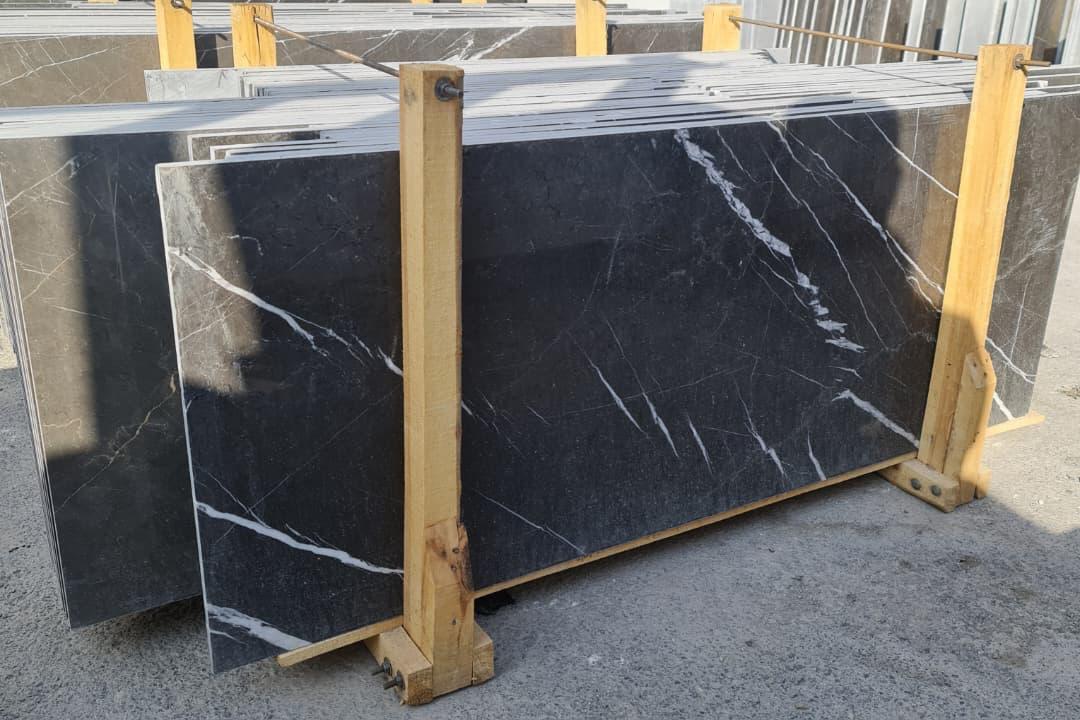
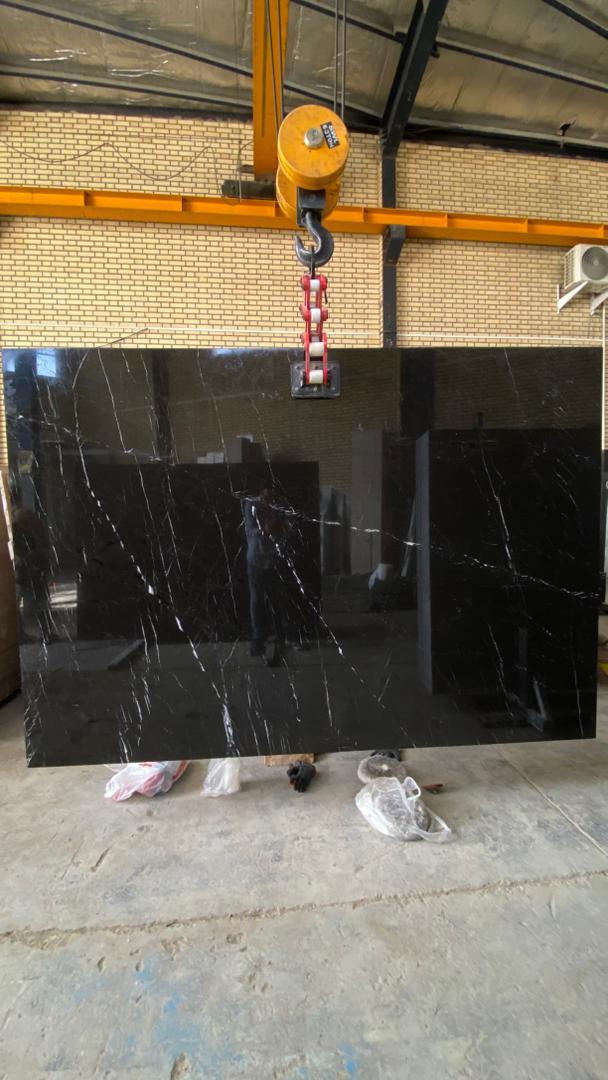
You should also consider the thickness and dimensions of the stone. Marble is produced in various sizes and thicknesses. For areas subjected to high pressure, such as floors, thicker marble slabs are recommended due to their greater strength.


Reviews
There are no reviews yet.