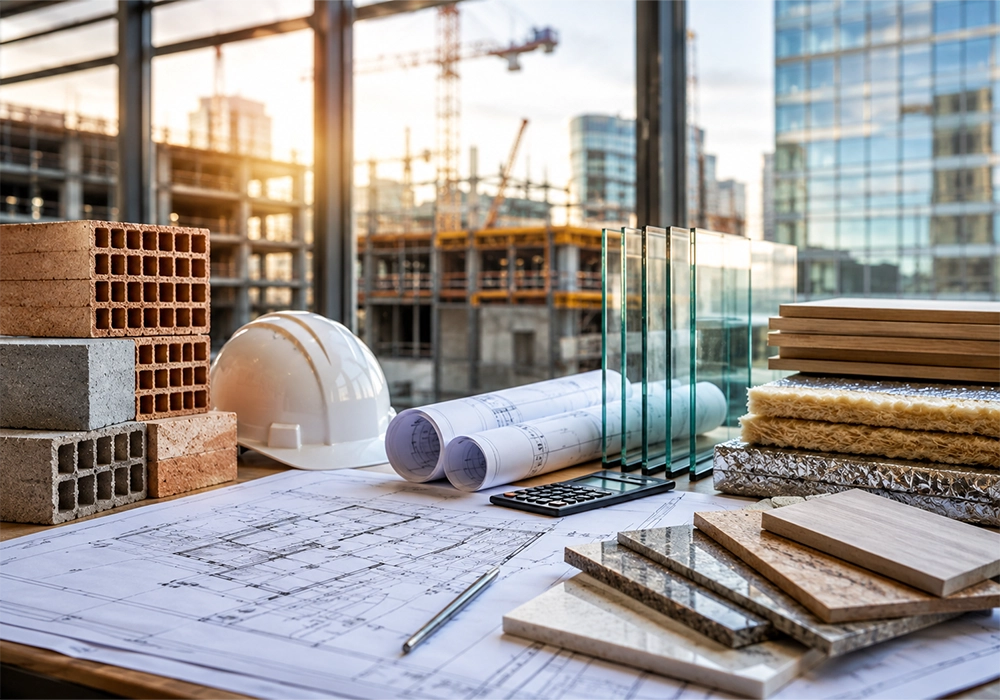
Choosing the right building materials for commercial construction is one of the most critical decisions that influences the quality, safety, durability, and profitability of any project. Whether you are developing an office complex, shopping center, hotel, industrial facility, healthcare building, or mixed-use development, every material you select directly impacts construction performance and long-term maintenance costs.
For contractors, developers, architects, procurement managers, and distributors, selecting commercial building materials is no longer simply about comparing prices. Modern construction projects require products that meet international quality standards, support sustainability goals, simplify installation, and provide reliable performance throughout the building’s lifecycle.
A dependable construction material supplier also plays a significant role in project success. Reliable sourcing, consistent product quality, efficient logistics, and transparent communication can help reduce procurement risks while keeping projects on schedule and within budget.
In this comprehensive guide, we’ll explore the essential factors to consider when selecting commercial construction materials, compare different material categories, discuss quality standards, and share practical recommendations for making informed purchasing decisions.
Why Choosing the Right Building Materials Matters
Every commercial construction project is built on one essential foundation—its materials. Regardless of how advanced the architectural design may be, poor material selection can lead to structural issues, increased maintenance costs, project delays, and dissatisfied stakeholders.
Commercial buildings are expected to withstand years of continuous use while maintaining safety, efficiency, and visual appeal. This makes material selection a strategic investment rather than a simple purchasing decision.
The right building materials for commercial construction contribute to:
- Improved structural durability
- Better occupant safety
- Lower maintenance expenses
- Enhanced energy efficiency
- Faster installation
- Longer service life
- Higher property value
- Better return on investment
For large-scale projects, even small improvements in material performance can generate significant long-term savings.
Key Factors to Consider Before Purchasing Building Materials
Before comparing prices or requesting quotations, procurement teams should establish clear project requirements. Every building has unique technical, environmental, and operational demands that influence material selection.
The following factors should always be evaluated before making purchasing decisions.
1. Project Type
Different commercial projects require different performance characteristics.
For example:
- Office Buildings prioritize aesthetics, energy efficiency, and acoustic performance.
- Hotels require premium finishes, durability, and design consistency.
- Healthcare Facilities demand hygienic, moisture-resistant, and easy-to-clean materials.
- Retail Spaces focus on appearance, heavy foot traffic resistance, and fast installation.
- Industrial Buildings require structural strength, chemical resistance, and long-term durability.
Selecting materials that align with the building’s intended use helps reduce lifecycle costs and improve operational performance.
2. Durability
Durability should always outweigh short-term savings.
Commercial buildings experience significantly higher levels of daily use than residential properties. Materials must resist:
- Heavy pedestrian traffic
- Moisture
- UV exposure
- Temperature fluctuations
- Abrasion
- Chemical exposure
- Impact damage
Choosing durable commercial building materials minimizes repairs and reduces operational disruptions over time.
3. Compliance with Quality Standards
Quality standards provide assurance that materials perform as expected.
Before sourcing products, verify whether they comply with relevant international certifications and testing standards.
Quality-certified materials offer advantages such as:
- Consistent performance
- Better safety
- Reliable specifications
- Longer lifespan
- Reduced project risks
Working with an experienced construction material supplier can simplify this verification process and ensure products meet project requirements.
Understanding Commercial Project Requirements
No two commercial construction projects are identical. Factors such as climate, building function, occupancy levels, budget, and local regulations all influence the choice of materials.
For this reason, procurement decisions should never rely solely on price. Instead, they should balance technical performance, lifecycle costs, availability, logistics, and installation efficiency.
Before finalizing your material selection, consider questions such as:
- What level of durability is required?
- Will the building experience high daily traffic?
- Are moisture or temperature fluctuations a concern?
- Does the project require sustainable or environmentally friendly materials?
- How important is design consistency across large surfaces?
- What is the expected maintenance schedule over the building’s lifecycle?
Answering these questions early in the procurement process helps prevent costly changes during construction and ensures that selected materials support both project performance and long-term operational goals.
Evaluating Material Quality Before Purchase
Quality should never be compromised in commercial construction projects. While competitive pricing is important, low-quality materials often result in higher maintenance costs, premature replacements, project delays, and reduced building performance.
Professional procurement teams evaluate materials based on technical performance rather than price alone. Every product should meet project specifications while offering consistent quality throughout the entire order.
Before making a purchasing decision, consider evaluating the following aspects:
Product Certifications
Always verify whether materials comply with recognized industry standards and testing requirements. Certified products provide greater confidence in their durability, safety, and long-term performance.
Manufacturing Consistency
Large commercial projects require thousands of identical products. Consistency in color, dimensions, surface finish, and technical specifications is essential to avoid installation issues and visual inconsistencies.
Technical Specifications
Review product documentation carefully, including:
- Water absorption rate
- Compressive strength
- Flexural strength
- Slip resistance
- Fire resistance
- Frost resistance
- Load-bearing capacity
- Chemical resistance
These technical properties help determine whether a material is suitable for your specific application.
Quality Inspection
Reliable suppliers implement quality inspection procedures before shipment. Inspecting products prior to export reduces the risk of receiving damaged or non-compliant materials and minimizes costly project delays.
Cost vs. Long-Term Value
One of the most common procurement mistakes is selecting materials based solely on the lowest purchase price.
In commercial construction, the initial cost represents only a small portion of the total investment. Maintenance expenses, repair costs, operational efficiency, and product lifespan all contribute to the overall lifecycle cost of a building.
Instead of asking:
“Which material is the cheapest?”
Ask:
“Which material delivers the greatest long-term value?”
For example, premium-quality materials may require a higher upfront investment but often provide:
- Longer service life
- Lower maintenance costs
- Reduced replacement frequency
- Improved occupant satisfaction
- Better aesthetic retention
- Higher property value
When evaluating commercial building materials, calculating the total cost of ownership (TCO) is often more valuable than comparing purchase prices alone.
Sustainability Is Becoming a Business Requirement
Sustainability has evolved from a design preference into a strategic business priority. Developers, architects, and investors increasingly seek building materials that reduce environmental impact while improving operational efficiency.
Modern commercial buildings are expected to meet higher standards for energy efficiency, responsible sourcing, and long-term performance.
When evaluating sustainable building materials, consider products that offer:
- Long service life
- Low maintenance requirements
- Recyclable components
- Energy-efficient production processes
- Reduced waste during installation
- Durable performance with minimal environmental impact
Selecting sustainable materials can also contribute to green building certifications and improve the long-term value of commercial properties.
Comparing Popular Commercial Building Materials
Every material category offers unique advantages depending on the project requirements. Understanding these differences helps procurement teams make informed purchasing decisions.
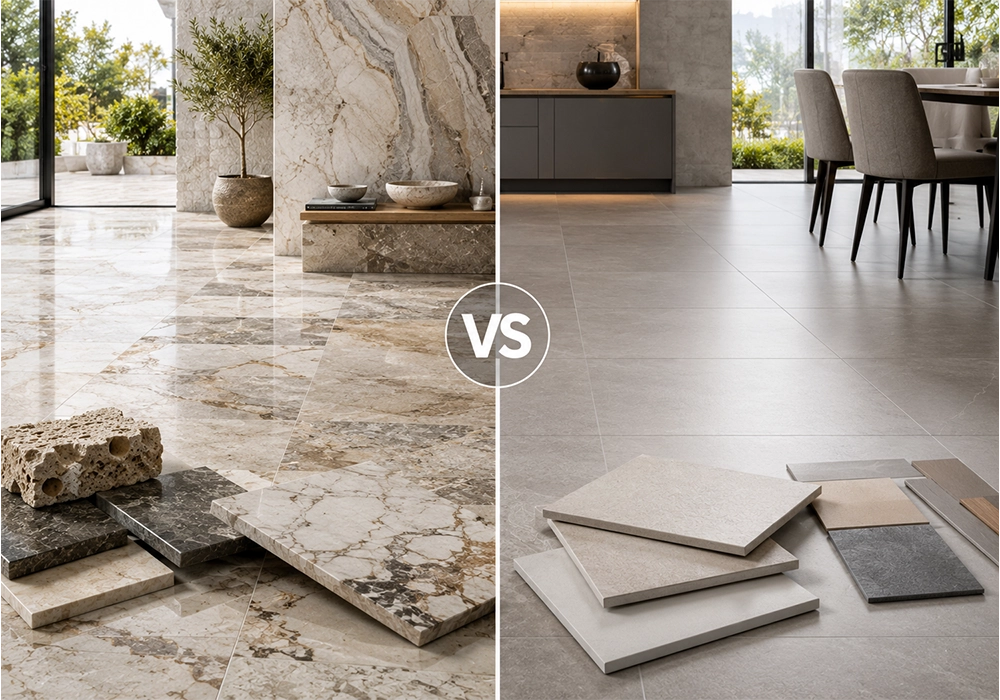
Natural Stone
Natural stone remains one of the most durable and prestigious materials used in commercial construction.
Best Applications
- Exterior facades
- Hotel lobbies
- Luxury developments
- Public spaces
- Landscaping
Advantages
- Exceptional durability
- Premium appearance
- Long lifespan
- Weather resistance
- Increased property value
Ceramic & Porcelain Tiles
Porcelain and ceramic tiles are among the most widely used commercial flooring and wall materials due to their durability and design flexibility.
Best Applications
- Shopping malls
- Hospitals
- Office buildings
- Hotels
- Retail spaces
Advantages
- Easy maintenance
- High wear resistance
- Moisture resistance
- Wide design variety
- Cost-effective installation
Facing Bricks
Facing bricks combine structural reliability with architectural aesthetics.
They are commonly used for exterior walls where durability and appearance are equally important.
Advantages
- Long service life
- Minimal maintenance
- Fire resistance
- Excellent thermal performance
- Timeless architectural appeal
Concrete Blocks
Concrete blocks remain one of the most economical structural materials for commercial construction.
Advantages
- High compressive strength
- Fast installation
- Cost efficiency
- Excellent structural stability
- Suitable for large-scale developments
MGO Boards
Magnesium Oxide (MGO) boards have become increasingly popular in modern commercial construction due to their versatile performance characteristics.
They are commonly used for:
- Interior wall systems
- Ceilings
- Flooring underlayment
- Fire-rated partitions
Advantages
- Fire resistance
- Moisture resistance
- Mold resistance
- Lightweight installation
- Long-term durability
The Importance of Choosing the Right Construction Material Supplier
Even the highest-quality products cannot guarantee project success without a reliable supply partner.
An experienced construction material supplier provides far more than products—they help manage procurement risks, maintain consistent quality, and ensure materials arrive on time.
A professional supplier should offer:
- A broad product portfolio
- Consistent product quality
- Transparent pricing
- Reliable lead times
- Quality inspection before shipment
- Professional export documentation
- Secure packaging
- Efficient logistics coordination
- Responsive communication
- Long-term partnership support
Choosing the right supplier can significantly improve procurement efficiency while reducing delays and unexpected costs throughout the project lifecycle.
Common Mistakes When Purchasing Building Materials
Selecting the right building materials requires more than comparing product catalogs and prices. Many procurement challenges arise from avoidable mistakes that increase costs, delay construction schedules, and compromise the overall quality of a project.
Being aware of these common issues can help contractors, developers, and procurement teams make more informed purchasing decisions.
Choosing Based Only on Price
The lowest price does not always represent the best value. Lower-cost materials may require more frequent maintenance, repairs, or replacement, resulting in significantly higher lifecycle costs. A balanced evaluation of quality, durability, and long-term performance is always the smarter investment.
Ignoring Technical Specifications
Every commercial project has unique performance requirements. Purchasing materials without reviewing technical data—such as strength, moisture resistance, fire performance, or load capacity—can lead to compatibility issues and costly redesigns.
Overlooking Supplier Reliability
A supplier’s ability to deliver consistent quality, maintain stock availability, and coordinate logistics is just as important as the products themselves. Reliable communication and dependable delivery schedules reduce procurement risks and help keep projects on track.
Failing to Plan for Logistics
Large commercial projects often involve multiple shipments, strict delivery timelines, and international transportation. Without proper planning, delays in shipping or documentation can impact construction schedules and increase costs.
Neglecting Future Maintenance
Materials should be selected with long-term operation in mind. Products that require frequent maintenance or replacement may appear economical initially but often become more expensive over the life of the building.
Final Recommendations for Choosing Commercial Building Materials
Choosing building materials for commercial construction is a strategic decision that directly affects project quality, operational efficiency, and long-term profitability.
To achieve the best results:
- Define clear project requirements before sourcing materials.
- Prioritize quality, durability, and lifecycle performance over the lowest purchase price.
- Evaluate technical specifications and compliance with industry standards.
- Consider sustainability and long-term maintenance requirements.
- Work with a trusted construction material supplier that offers reliable sourcing, transparent communication, and professional export support.
- Plan procurement early to avoid delays and improve cost efficiency.
A structured procurement strategy helps minimize risks while ensuring that every material contributes to the long-term success of the project.
Conclusion
Successful commercial construction begins with informed material selection. From structural components to finishing products, every decision influences the durability, appearance, efficiency, and overall value of a building.
Rather than focusing solely on upfront costs, project stakeholders should evaluate the complete lifecycle of every product, considering performance, maintenance, sustainability, and supplier reliability.
By working with an experienced supplier and selecting high-quality commercial building materials that meet project requirements, businesses can reduce procurement risks, improve construction outcomes, and create buildings designed to perform for decades.
Whether you are managing a commercial development, supplying construction products, or planning your next large-scale project, investing in the right materials today will deliver measurable value long into the future.
Frequently Asked Questions
What are the most important factors when choosing building materials for commercial construction?
The most important factors include durability, quality standards, technical performance, maintenance requirements, sustainability, lifecycle cost, and supplier reliability. Selecting materials based on these criteria helps ensure long-term project success.
Why is material quality more important than the initial purchase price?
Higher-quality materials generally last longer, require less maintenance, reduce replacement costs, and improve building performance. Although they may have a higher upfront cost, they often provide greater long-term value.
How do I choose a reliable construction material supplier?
Look for a supplier with a proven track record, a diverse product portfolio, transparent pricing, quality control procedures, reliable logistics, and professional customer support. Strong communication and consistent product quality are also key indicators of a dependable supplier.
Which building materials are commonly used in commercial construction?
Commercial projects typically use a combination of natural stone, ceramic and porcelain tiles, facing bricks, concrete blocks, MGO boards, construction panels, and sanitary fittings, depending on the building’s function and design requirements.
Why is sustainability important in commercial construction?
Sustainable building materials help reduce environmental impact, improve energy efficiency, lower maintenance requirements, and support green building certifications. They also contribute to long-term operational savings and increased property value.
Looking for a Reliable Building Material Supplier?
Whether you’re sourcing materials for a commercial building, residential development, hospitality project, or international distribution network, partnering with the right supplier can make all the difference.
At Paya Building Materials, we provide professional sourcing and export solutions backed by quality assurance, reliable logistics, and a carefully selected network of trusted manufacturers.
Contact our team today to discuss your project requirements and request a customized quotation tailored to your business needs.